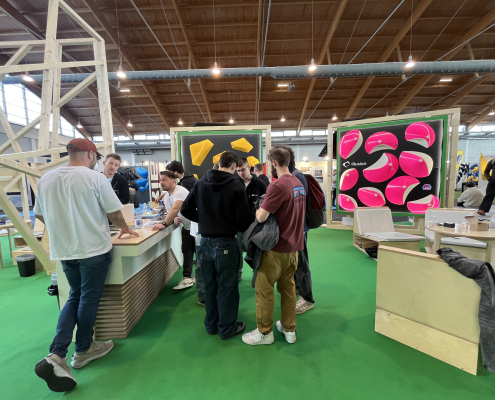
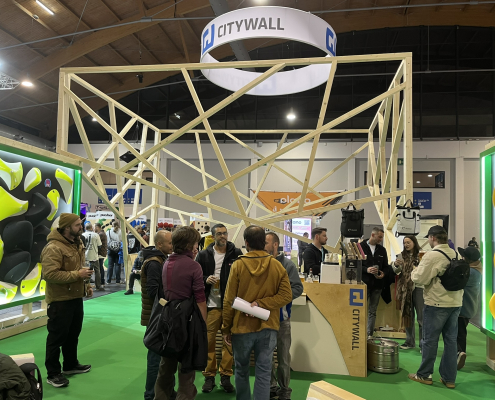
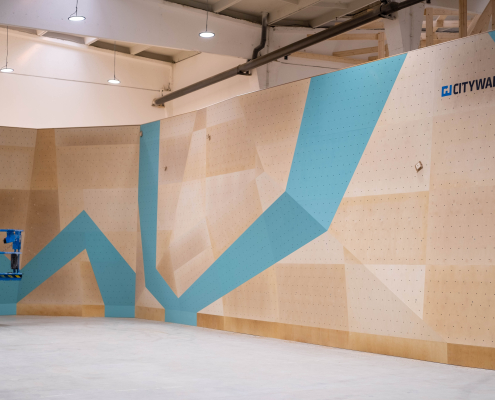
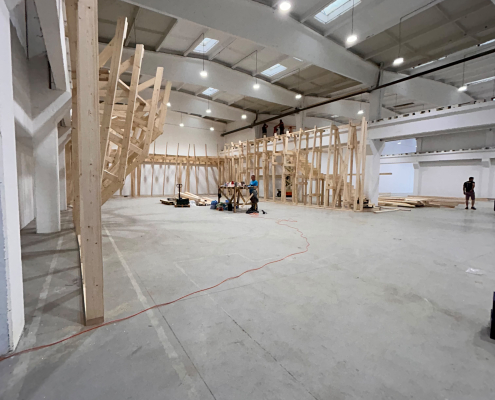
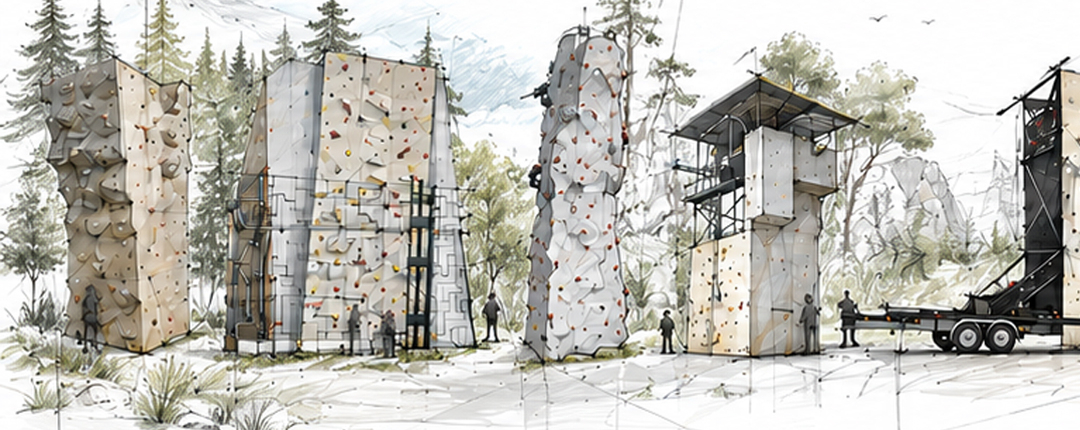
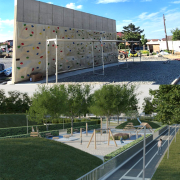
Citywall at World Climbing Koper 2026

Celebrating 30 Editions of World-Class Climbing in Slovenia

On 4–5 September 2026, Koper will once again become the centre of the international climbing community as the world’s leading athletes gather for World Climbing Series Koper 2026.

For Slovenia, this will be much more than another competition. The 2026 event marks the 30th Slovenian World Series competition in Lead climbing — a milestone that reflects three decades of competition, development and an extraordinary climbing culture.

As a Slovenian climbing wall manufacturer and official sponsor of World Climbing Koper 2026, Citywall is proud to be part of this celebration.

From Kranj to Koper: 30 Editions of Climbing History

Slovenia has a remarkable history in international competition climbing.

For 25 editions, Kranj hosted Slovenia’s legendary Lead World Cup. In 2022, the event moved to the coast, where Koper took over as host.

On 4 and 5 September, the outdoor competition wall at Plus Climbing Koper will host the event for the fifth time — completing the journey to the historic 30th Slovenian edition. The competition is organised by the Alpine Association of Slovenia / Planinska zveza Slovenije, while Zavod za šport Mestne občine Koper and Plus Climbing Koper are among the event’s co-organisers.

Together with the City of Koper, sponsors, partners, athletes, volunteers and Slovenia’s passionate climbing community, they have helped establish Koper as an important destination on the international climbing calendar.

Slovenian Climbing at Its Best

Few countries have had an impact on modern competition climbing comparable to Slovenia. And in Koper, the home crowd will once again have the opportunity to support some of the strongest Slovenian athletes.

At the centre of attention will be Janja Garnbret, two-time Olympic champion, ten-time World Champion and holder of 50 World Cup victories. She will be joined by a powerful Slovenian line-up that includes Rosa Rekar, current World Championship silver medallist in Lead, two-time Olympian Mia Krampl, Lučka Rakovec, Olympian and World Cup winner Luka Potočar, and other members of the Slovenian national climbing team.

The numbers tell an impressive story. Across Slovenia’s home World Cup competitions, Slovenian athletes have collected 35 podium finishes, including 14 victories.

Those victories belong to some of the biggest names in Slovenian climbing history, including Janja Garnbret, Mina Markovič, Maja Vidmar, Martina Čufar, Klemen Bečan and Luka Potočar. The 30th edition is therefore not only about today’s athletes. It is a celebration of the generations that built Slovenian competition climbing.

Built in Slovenia. Connected to the Global Climbing Community.

Citywall’s roots are in the same climbing environment that has produced world-class Slovenian athletes, route setters, coaches and climbing professionals. For three decades, we have been designing, engineering, manufacturing and installing climbing walls and complete climbing solutions for projects in Slovenia and around the world.

From Lead climbing walls and bouldering gyms to training walls, adjustable boards, safety flooring, climbing holds, macros and volumes, our work is focused on creating spaces where climbing can develop.

Through Citywall and our climbing brands, including Illusion, Infinity and Climb1, we work with climbing gyms, route setters, architects, investors and climbing professionals internationally.

Being part of World Climbing Koper therefore has a special meaning. It brings together two things deeply connected to our identity:

Slovenian climbing expertise and the global climbing community.

More Than a Competition

World Climbing Koper has become one of Slovenia’s major summer sporting events, combining elite competition with a programme for young climbers, families and climbing fans.

Friday, 4 September will feature the Lead qualifications and semi-finals, while the competition reaches its peak on Saturday, 5 September with the finals from 20:00.

The World Climbing weekend coincides with Altroke Sladka Istra, bringing sport, tourism and local experiences together in Koper and Slovenian Istria.

See You at World Climbing Koper 2026

Thirty Slovenian World Series competitions represent thousands of routes, moves, athletes, spectators and moments that have shaped the country’s climbing history.

World Climbing Series Koper 2026
4–5 September 2026
Plus Climbing Koper
Koper, Slovenia


Citywall & Holds Haus at ABC Conference 2026

Building the Future of Climbing Walls in the UK
On 16–17 September 2026, Citywall will join our UK partner Holds Haus at the ABC Conference 2026, the Association of British Climbing Walls Annual Conference & Tradeshow at the Magna Science Adventure Centre in Rotherham.

As the UK’s largest and most established event dedicated to the indoor climbing industry, the ABC Conference brings together climbing wall owners, operators, route setters, industry professionals, suppliers and decision-makers from across the United Kingdom and beyond.

For Citywall, it is also an important opportunity to meet architects, construction companies, developers, leisure operators, schools, universities, local authorities and public-sector organisations planning the next generation of climbing and leisure facilities.

And most importantly: we are coming to meet you.

Looking for a climbing wall manufacturer for your next project?

Whether you are planning a completely new indoor climbing centre, expanding an existing climbing gym, developing a bouldering facility or integrating climbing into a larger sports, leisure, education or public-sector development, CityWall can support projects from concept to completion.

Together with Holds Haus, our UK partner, we are strengthening our presence in the United Kingdom and making it easier for UK clients to access Citywall’s climbing wall design, engineering, manufacturing and installation expertise.

Our solutions include:

  • commercial indoor climbing walls
  • bouldering walls
  • lead climbing walls
  • top-rope climbing walls
  • competition climbing walls
  • speed climbing walls
  • training walls and spray walls
  • adjustable training boards
  • climbing structures for leisure and sports centres
  • climbing facilities for schools and universities
  • climbing walls for public-sector and community projects
  • bespoke climbing wall design and manufacturing
  • renovation and expansion of existing climbing centres
  • safety matting and climbing holds

From an initial idea and architectural concept to engineering, production and installation, our goal is to help clients create climbing facilities that work technically, commercially and operationally.

Boulderwelt GmbH, Hamburg

Climbing wall solutions for architects, developers and construction companies

A successful climbing facility begins long before the first climbing hold is installed.

Climbing walls are increasingly incorporated into larger sports facilities, leisure centres, mixed-use developments, schools, universities and community recreation projects. This requires close cooperation between the climbing wall manufacturer, architect, structural engineer, main contractor, developer and operator.

Citywall works with project teams to integrate climbing infrastructure into the wider architectural and construction process.

If you are an architect, architecture practice, construction company, main contractor, property developer or leisure consultant working on a project that includes an indoor climbing wall or bouldering facility, ABC Conference 2026 is an opportunity to discuss your project directly with our team. Bring us your plans, your concept or simply an idea. We can discuss the possibilities together.

NCC NATIONAL CLIMBING CENTRE, NETHERLANDS 2026

NCC National Climbing Centre, Netherlands, 2026


BulderLand 2.0, Zaragoza, Spain 2026

BulderLand 2.0, Zaragoza, Spain 2026


Climbing walls for leisure centres and public-sector projects

Climbing is no longer limited to specialist climbing gyms. Modern climbing and bouldering facilities are increasingly relevant for municipal sports centres, leisure centres, schools, universities, community facilities and public recreation projects.

For local authorities, developers and public-sector organisations, a climbing facility can become part of a broader strategy to create active, attractive and multi-generational sports infrastructure.

Citywall is ready to work with UK partners on projects ranging from individual climbing structures and training facilities to large-scale commercial and public climbing centres.

If your organisation is considering a new climbing wall, bouldering centre, sports centre climbing facility or climbing wall refurbishment, meet us at ABC Conference 2026 to discuss the project at an early stage.
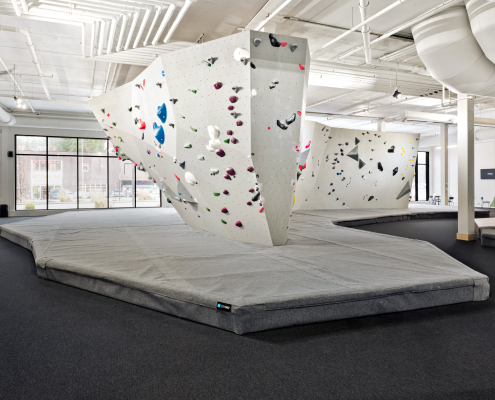
Triaden, Klatresenter foto credit: Sebastian Cruz

From local climbing gyms to large-scale climbing centres

Every climbing project is different. An independent bouldering gym may require maximum climbing value from a compact footprint. A large commercial climbing centre may combine bouldering, lead climbing, top rope, speed climbing, training areas and competition infrastructure. A school or community facility will have different operational and user requirements again.

This is why we approach climbing wall projects individually.

Citywall’s experience ranges from smaller climbing and training installations to major international climbing facilities. Our portfolio includes large-scale climbing centres and specialist competition and training infrastructure.

For UK climbing gym owners and operators, our partnership with Holds Haus creates a direct connection between local UK market knowledge and Citywall’s European manufacturing and engineering capabilities.

Triaden Klatresenter foto credit: Sebastian Cruz

Sustainable climbing wall construction

Sustainability is becoming an increasingly important consideration in the design and construction of sports and leisure facilities.

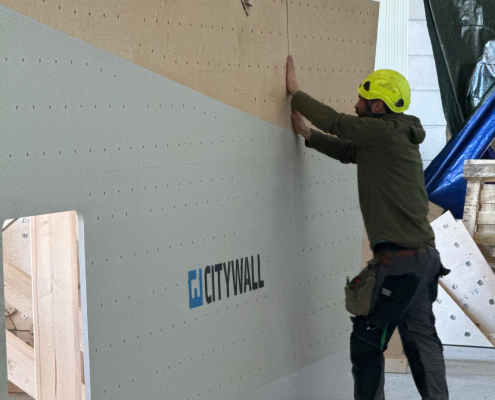
Citywall uses timber structures in its climbing wall construction. This approach combines structural performance with a reduced reliance on steel and offers practical advantages for climbing wall design and route setting.

For architects, developers and organisations working towards more sustainable sports infrastructure, material selection can be an important part of the overall project strategy.  At ABC Conference 2026, we will be available to discuss our construction systems, materials and engineering approach in more detail.


Why the UK market matters to Citywall

The United Kingdom is an important long-term market for Citywall. The British climbing industry has a strong community of climbing centres, experienced operators, route setters and industry professionals, while climbing continues to create opportunities within the wider sports, leisure and recreation sector.

Our objective is not simply to supply climbing walls to the UK. We want to build long-term partnerships.

Through our cooperation with Holds Haus, we are establishing a stronger local presence and creating a direct point of contact for UK climbing centres, architects, contractors, developers and organisations considering new climbing infrastructure. We are actively looking for new projects and new collaborations.
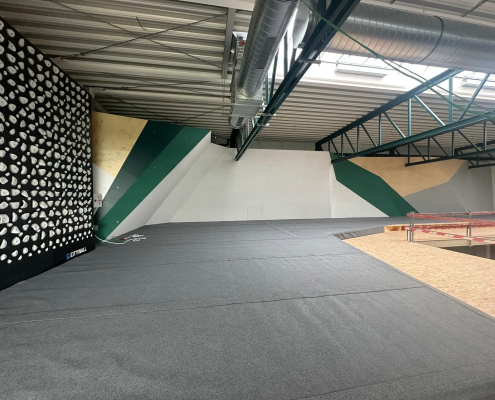
Mounier, Belgium


Go Monkey PremiereQ Saudi Arabia

Meet Citywall & Holds Haus at ABC Conference 2026

The ABC Conference is designed around exactly what the climbing industry needs: knowledge exchange, new products, professional connections and time to meet the people shaping the future of indoor climbing.

The 2026 conference will take place over two full days, Wednesday 16 and Thursday 17 September, providing additional exhibition and networking time.

Citywall and Holds Haus will be there and available for pre-arranged B2B meetings throughout the event. If you are:

a climbing gym owner or operator planning a new facility or expansion,

an architect designing a climbing, sports or leisure project,

a construction company or main contractor looking for an experienced climbing wall manufacturer,

a developer or investor exploring the commercial potential of an indoor climbing centre,

a leisure centre operator considering climbing or bouldering,

a school or university planning new climbing facilities,

or a local authority or public-sector organisation developing sports and recreation infrastructure, we would love to meet you.


Gravity Fun, Sarah church, Belgium 2026

Book a meeting with us at ABC Conference 2026

Already have a project in development or planning a new climbing centre? Considering a bouldering wall, lead climbing wall, training wall or complete indoor climbing centre? Or simply interested in understanding what is possible?

Book a meeting with Citywall and Holds Haus during ABC Conference 2026.

Pre-arranging a meeting gives us time to learn more about your project and prepare for a focused discussion at the conference.

Holds Haus

United Kingdom

www.holdshaus.com

Email: info@holdshaus.com
Phone: +44 (0) 7984 302 416

Citywall

Slovenia

www.citywall.eu

Email: info@citywall.eu
Phone: +386 41 953 855
 

Greenland 2026 – Jernej Kruder’s Arctic Climbing Adventure and the First Ascent of Sila

Jernej Kruder travelled to Greenland in search of something different: less focus on pushing his physical limits and more on exploration, adventure, and climbing in one of the most remote landscapes on Earth. What followed was a true Greenland climbing expedition—a journey by small boat through Arctic fjords, unpredictable weather, long approaches with heavy packs, wet and intimidating walls, and only a narrow weather window in which to climb.

Below, Jernej tells the story of Greenland 2026 in his own words—from the uncertain journey into the Arctic wilderness to the final push to the summit of Sila. Enjoy reading!

Greenland 2026


Summer was knocking on the door, and my shoulders were not ready for hard climbing in the Alps. I took some days off to take advantage of the good weather, but I mostly wondered what would be a reasonable compromise for a summer trip. A few friends from Slovenia asked me to join their expedition to Kyrgyzstan, while another group of Swiss friends invited me to Greenland. I wanted something less demanding climbing-wise, but more adventurous. I checked the flights to Greenland, found a good connection, and did not hesitate to book it immediately.


The idea that Silvan, the expedition leader, had in mind was to use a small Zodiac boat (20 HP) that he had sent with cargo to Greenland. We were to travel 230 km from the airport village (Qaqortoq) to our final destination. Since there were five of us, the small Zodiac did not seem capable of carrying everyone, so I booked a ferry to Aappilattoq and back.

Things changed when we arrived in Qaqortoq. The flight was delayed, Benji—a member of our group—got very sick, and the weather turned pretty bad. We had to stay in a hostel for a few nights. After Benji had to turn back home, a spot opened up for me on the dinghy. We nervously waited for good weather so we could finally leave town. On the only decent day, Silvan and I did some bouldering near our hostel. After four days in Qaqortoq, we finally caught a calm sea to start traveling toward our first stop. The 180 km journey to the village of Nanortalik took us a full day. The eight hours on the dinghy were interrupted by a pleasant three-hour stop at the hot springs halfway there. We were all cold and tired, so we ate a burger there and spent the night in tents.

The next morning, the sea was rough, so we had to spend another night in Nanortalik. We booked a small room for two (even though there were four of us) and met new American friends who were sailing the same way the following day. We kindly asked if they would mind taking two of us onboard to lighten the load on our dinghy. They warmly accepted our offer, and early the next morning, we were on our way to Aappilattoq. Filippo and I took the sailboat, which was slower but much more comfortable than the small dinghy. After reaching the town, we said goodbye to the Americans and immediately continued the remaining 20 km to our final destination. We reached it after two hours, set up base camp, and fell asleep in no time.

The weather was not on our side. We spent another day at base camp, fishing and preparing for the approach to the distant wall we wanted to conquer. Arctic char with rice gave us enough energy for the next day’s six-hour walk through wet grass, bushes, swamps, and slick rocks. Our 25 kg backpacks sent us to bed early on the portaledges we set up at the edge of the glacier.

The wall we wanted to climb looked magnificent, but also intimidatingly wet. We continued our way up the glacier. After three hours tied to a rope with heavy loads, we reached a perfect bivy spot for the night. Unfortunately, continuous bad weather forced us back down to base camp. Since I only had four days left, we had to find a quick alternative to our project. Luckily, we spotted a good wall in the last fjord we had come through. The way down was probably the most exhausting walk of my life. Continuous rain, low temperatures, a lack of trails, and heavy loads squeezed the very last atom of energy out of my body. Soaked to the skin, we found shelter in our sleeping bags and fell asleep immediately.

The night was interrupted by a nearby rockfall. When we woke up, we had to start packing quickly to catch the high tide. Sun and a bit of wind helped us dry off, and the sunshine restored our spirits. The boat ride was calm, and we pulled our dinghy onto a magical beach beneath a huge, steep wall. We set up a new camp and enjoyed a nice dinner with a great view.

July 26th was finally the day to start climbing. An easy 45-minute approach brought us under the wall, where I immediately began leading the first pitch. I pushed through some slabs and dihedrals to reach a ledge, where things finally became more serious. Our progress was interrupted by an existing belay in the lower section, so we spotted a new line on the main wall. I continued upward. A pitch with difficulties no greater than 6c gave me a case of “disco knees” due to the poor rock quality. While Filippo leveled the ground on the ledge for our tents, Silvan and I pushed our line higher. When Silvan took the lead, he decided to leave the second half of the pitch to me, knowing I had the nerve to do it without placing a bolt. He was not wrong. I summoned all my physical and mental strength to pull off a long runout on a crumbly slab, likely graded between 7b and 7c. I set an anchor for the static line, and we all headed back down to base camp.

Daylight lasts late into the night, so we didn’t rush too much in the morning. Day two on the wall was assigned to Filippo and me. We jummared up to the previous day’s high point, and Filippo started a new pitch, which proved just as scary as the one from the day before. Because his last protection points were unreliable, he decided to place a bolt before committing to the rightward traverse across the slab. I managed to free-climb it while following and continued up a logical crack. I set up an almost-hanging belay, where I spent the next four hours belaying Filippo on a hollow pitch that I was unable to free-climb afterward. Here, we finally reached an obvious crack that appeared to lead all the way to the summit. I opened two more pitches, and we finished our day before even reaching halfway up the main wall.

On the final day, we had to move fast. After a good sleep on the ledge, we jummared up the fixed lines early in the morning. Silvan pushed upward through logical, beautiful cracks. We freed all the pitches, and I had the honor of leading one of these amazing sections. The day slipped by, and we drew closer to the summit. The second-to-last pitch turned into a nightmare for Silvan. He spent a long time finding gear placements and cleaning out the cracks, considering the pitch extremely difficult, which did not boost my confidence to free it. However, he cheered me on, and I managed to find a unique solution for every crux. We reached the summit at 19:30. We grabbed a quick snack and began our descent, rappelling down the route and stopping a few times to take photos and videos. Without headlamps, we navigated back to base camp and crawled into our tents at 01:00.


Although we were thrilled with our achievement, we could not rest for long. We had to catch the high tide again at 7:00 AM to make my ferry back to civilization. I bade farewell to my Swiss friends, who were staying for a few more days. Everything else went according to plan, and I reached Qaqortoq by late afternoon, checking into the same hostel once again.


Just as I was getting excited to go home the next day, I received bad news from my airline: my flight was delayed, forcing me to stay in Qaqortoq for another two nights. An even bigger surprise was the heatwave awaiting me back home.


Looking back at all our bad luck, I am happy we took advantage of that short weather window to establish a route we named “Sila.” Sila comes from the Greenlandic language and expresses the idea that humans, nature, and the universe are inseparable; weather is not just a physical phenomenon, but a reflection of the living world that people belong to. It also means “force” in Slovenian. I am proud of my team, who acted reliably and rationally throughout the trip. They also gave me the chance to lead most of the pitches and realize where my skills and strength truly shine.


Climbing Walls for Kindergartens and Schools – A Long-Term Investment in Children’s Health and Physical Development

Physical inactivity among children is becoming one of the greatest challenges facing modern society. As a result, municipalities, schools, kindergartens, public institutions and private investors are increasingly looking for sustainable solutions that promote physical activity, motor development and healthy lifestyles.

One of the most effective investments is a climbing wall. Modern climbing walls provide children with a safe, engaging and educational environment while supporting long-term health, physical literacy and personal development.

Today, climbing has become an essential part of modern sports infrastructure and is increasingly included in the construction and renovation of schools, kindergartens, sports centres, community facilities and multi-purpose sports halls throughout Europe.

Why is climbing important from an early age?

Climbing is one of the most natural forms of human movement. Children instinctively enjoy climbing playground equipment, trees and obstacles. A professionally designed climbing wall allows them to develop these natural abilities in a safe and controlled environment.

Regular climbing helps children develop:

  • balance and coordination,
  • overall body strength,
  • concentration,
  • spatial awareness,
  • self-confidence,
  • perseverance and problem-solving skills.

One of the greatest advantages of climbing is that children learn through play. Every completed climbing route represents a new achievement, strengthening confidence while motivating them to continue being physically active.

Climbing walls as part of modern educational facilities

An increasing number of kindergartens, primary schools and secondary schools are integrating climbing walls into their sports and educational programmes. Climbing is an excellent addition to physical education classes, extracurricular activities and active school breaks.

Climbing walls can be installed in:

  • school gymnasiums,
  • multi-purpose sports halls,
  • outdoor sports facilities,
  • playgrounds,
  • sports parks,
  • recreation and community centres.

Because every project is custom designed, climbing walls can be adapted to both small and large spaces.

Low bouldering walls or high climbing walls?

The choice depends on the age of the users, educational objectives and available space.

Low (Bouldering) Climbing Walls

Bouldering walls are the ideal solution for kindergartens, primary schools, children’s sports centres and recreational facilities.

Their advantages include:

  • no ropes or harnesses required,
  • suitable for younger children,
  • high level of safety,
  • certified safety mats or impact-absorbing flooring,
  • unlimited possibilities for creating climbing routes of different difficulty levels.

Children can develop confidence without fear of heights, while teachers can easily integrate climbing into physical education programmes.

High Climbing Walls

High climbing walls are designed primarily for primary and secondary schools, climbing clubs, sports centres and training facilities.

They include:

  • top anchors,
  • belay systems,
  • certified intermediate anchor points,
  • safety equipment,
  • components designed in accordance with EN 12572 European Standard.

They are suitable for physical education, climbing training and competitions.

Climbing develops social and life skills

Although climbing can be an individual sport, it strongly encourages teamwork, communication and responsibility.

Through climbing, children develop:

  • communication skills and respect for rules,
  • responsibility towards themselves and others,
  • teamwork and cooperation,
  • independence,
  • confidence when solving new challenges.

For this reason, many educational institutions include climbing as part of programmes that promote social development and life skills.

Safe and certified sports equipment

Safety is the highest priority when designing educational climbing facilities.

All Citywall climbing walls are designed and manufactured in accordance with the EN 12572 European Standard for both bouldering and high climbing walls.

Following installation, every climbing wall undergoes structural testing to verify safety and stability.

We use premium-quality materials suitable for both indoor and outdoor applications, ensuring excellent durability and resistance to weather conditions and intensive daily use.

Endless possibilities with climbing holds

One of the greatest advantages of a climbing wall is its flexibility.

Climbing holds can easily be:

  • repositioned,
  • replaced,
  • rotated,
  • added or removed,

allowing teachers and instructors to create completely new climbing routes whenever needed.

This enables schools to continuously adapt climbing activities to different age groups, skill levels and educational objectives without investing in new equipment.

A sustainable investment for municipalities and public projects

Installing a climbing wall is a long-term investment in educational and sports infrastructure.

Thanks to their durability, low maintenance costs and year-round usability, climbing walls are increasingly included in projects funded or supported by:

  • municipalities,
  • ministries,
  • European Union funding programmes,
  • public tenders,
  • sports federations,
  • public institutions,
  • private investors,
  • architects and construction companies.

A climbing wall adds long-term value to educational facilities while supporting healthier, more active communities.

Citywall – Over 30 Years of Experience in Climbing Wall Design and Construction

For more than three decades, Citywall has specialised in the design, engineering, manufacturing and installation of custom climbing walls throughout Slovenia and across Europe.

We provide complete turnkey solutions, including:

  • concept development,
  • climbing wall design,
  • engineering,
  • manufacturing,
  • installation,
  • after-sales support.

Our portfolio includes:

  • climbing walls for kindergartens,
  • climbing walls for primary schools,
  • climbing walls for secondary schools,
  • indoor climbing walls,
  • outdoor climbing walls,
  • bouldering walls,
  • commercial climbing gyms,
  • firefighter training towers,
  • rescue training facilities,
  • military and civil protection training structures.

Every project is individually designed according to the available space, user groups and long-term objectives of the client.

Planning a New Sports Infrastructure Project?

Whether you are planning a new kindergarten, school, sports centre, municipal facility or community project, Citywall can help you develop a safe, durable and future-proof climbing solution.

Our team works closely with municipalities, architects, educational institutions, contractors and investors to deliver climbing facilities that inspire movement, learning and healthy lifestyles for generations to come.


We’d be happy to discuss your ideas and help you develop the right solution for your community or organization.

📧 info@citywall.eu
📞 +386 41 953 855


Climbing in Croatia Is Growing – New Indoor & Outdoor Climbing Walls for Communities, Training & Rescue

Climbing in Croatia is experiencing rapid growth, and we’re proud to be part of this exciting development. As more cities, municipalities, schools, and organizations invest in modern climbing facilities, climbing is becoming more accessible than ever—for sport, education, recreation, and professional training.

New indoor and outdoor climbing walls provide safe, year-round opportunities for:

  • 🧗 Beginners learning the fundamentals of climbing
  • 👨‍👩‍👧‍👦 Families looking for active recreation
  • 🏫 Schools and educational institutions
  • 🧗 Experienced climbers and climbing clubs
  • 🚒 Fire departments and rescue services
  • 🛡️ Civil protection organizations
  • 🪖 Military and tactical training units

Well-designed climbing facilities are more than sports infrastructure—they support physical fitness, technical skills, teamwork, confidence, and emergency response training.

Five New Climbing Projects Across Croatia

At Citywall, we design, manufacture, and build custom climbing walls and training facilities throughout Europe. Every project is tailored to the available space, user groups, and long-term objectives of the client.

Take a look at four of our latest completed projects in Croatia:

  • Bjelovar
  • Karlovac
  • Malinska
  • Josipdol
  • Bregana

Each installation has been designed to serve its local community while meeting the highest standards of safety, durability, and functionality.

Custom Climbing Walls for Every Application

Whether you’re planning a school climbing wall, an indoor climbing gym, an outdoor climbing facility, or a rope access and rescue training tower for firefighters, civil protection, or military units, our team delivers complete turnkey solutions—from concept and design to manufacturing and installation.

Planning a climbing project?

We’d be happy to discuss your ideas and help you develop the right solution for your community or organization.

📧 info@citywall.eu
📞 +386 41 953 855


Sports and Recreation Park, Bjelovar, Croatia


Climbing Wall at Josipdol School, Croatia


Climbing Wall at Bregana School, Croatia


Fire & Rescue Training Wall, Malinska, Krk, Croatia


Climbing Wall at Karlovac Primary School, Croatia


Back Where It Began

Thanks to Tadeja from Citywall, my little sister Julija and I got an invitation to work in a small gym in Chongqing. It has been a long-time wish of mine to return to this beautiful city, where I kept coming back for the World Cup circuit from 2012 until 2018. I never really liked big cities, but Chongqing left a wonderful impression on me.

After a long journey and almost missing a few connecting flights, we finally arrived in Chongqing. We were warmly welcomed by Maxine and Eric Wu, who took us straight to our hotel. Since the Magic Lab gym was within walking distance, we went to take a quick look at it. It had a very nice energy—a good selection of holds, just the right size for a friendly atmosphere, and neighbors who feed and take care of the local cats. Of course, the cutest one ended up becoming the gym cat. We had a typical Chinese dinner downstairs after meeting the man of the house, Eric. We shared stories about our lifestyles over a few light Chinese beers and ended up chatting late into the night with some more drinks and great conversation.

I slept in late since we had no work on day two. I skipped breakfast and met Maxine and Julija in the lobby around midday. Maxine was our guide for the day, taking us to some great spots around the city. We visited some beautiful places I hadn’t seen before, and I got the feeling that China has truly grown into a great, modern place. More importantly, our guide Maxine was fantastic. She was happy to take us around, and her warm energy made the whole experience so much more interesting. The weather was also on our side, as they had been having many rainy days—a complete contrast to the weather Julija and I were used to from the World Cups years ago. Eric joined us later for the massage, and our day finished in the city center after midnight, sipping wonderful cocktail at the exact place that had left the biggest mark on my heart during my very first visit to Chongqing.


Friends, Climbing & Chongqing


Day three was a workday. We showed up late in the morning to readjust some boulders, which we later climbed on in front of a crowd. People were impressed by our climbing and listened carefully to the talk we gave together with Eric. He highlighted some of the milestones of our climbing careers, and we gave away some gifts from our sponsors, Illusion and Karpos. We also signed posters and took photos with our fans. We wrapped up the day with a traditional hot pot for dinner and went to bed to recharge.


The next day was my favorite. We rearranged some boulders and gave lessons to the locals. It was an incredible crowd that absorbed all of our knowledge. It was a relatively small group of climbers, and since we had enough time, I believe we managed to share almost all of our tips with every single one of them during a full day of hanging out. Later, we met up with our closest friends in our hotel room to play games, and we ended the night clubbing until 6:00 in the morning.

Luckily, we had until midnight the next day to set 11 boulders each. We filled up every empty space on the wall and set some incredible problems for the local community. We explained the movement and ideas behind the boulders in front of the camera, and gave away our last autographs and gifts to the locals.

We then had two days left to explore the nature and other sights around the city. Our hosts, whom we could by now call good friends, took us to a spot where we finally got to touch some real rock. Despite the poor weather conditions, we managed to send some sport routes up to 7c. The climbing was tough due to the high humidity, but it was still a lot of fun. Afterward, we experienced more of the local cuisine, went to a spa, and spent the entire next day shopping and eating. We received some meaningful gifts from our friends and left Chongqing with warm hearts and a difficult goodbye—even though we know we are going to see each other again soon.


Jernej Kruder x Citywall


The National Climbing Center Nieuwegein

Is set to become one of the largest and most advanced climbing facilities in Europe. With over 5,500 m² of climbable surface and a 5,100 m² facility footprint, the project represents a major investment in the future of indoor climbing and active recreation in the Netherlands.


Citmat: delivering high-performance safety flooring designed to support climbers from their very first move to their biggest challenges.


The center will feature lead climbing walls reaching 18 meters in height, extensive bouldering areas, speed climbing, auto belay routes, training zones, outdoor climbing facilities, and dedicated spaces for youth programs, events, and competitions. Designed to serve both recreational climbers and elite athletes, the facility creates a comprehensive destination for sport, community, and performance.

Large-scale climbing centers continue to demonstrate their value as sustainable recreational investments, attracting diverse user groups, supporting local communities, and creating long-term opportunities for growth. The National Climbing Center Nieuwegein is an excellent example of how modern climbing infrastructure can become a regional destination and a catalyst for participation in the sport.


Lead climbing walls reaching 18 meters in height.


Citywall is proud to contribute to projects that push the boundaries of climbing facility development across Europe. From community climbing gyms to world-class climbing destinations, we support owners, investors, and operators in creating facilities that deliver lasting value and exceptional climbing experiences.

Explore the gallery and discover how one of Europe’s most ambitious climbing projects is coming to life.


Interested in building a world-class climbing facility? Get in touch with us to learn more.

📩 info@citywall.eu
📞 +386 41 953 855


Photo credit: Anže Sever


Integrating Climbing Walls into Heritage Buildings

Preserving Heritage Through Minimal Intervention

At Citywall, we believe that the most successful architectural interventions are those that respect the identity of a place while creating opportunities for new experiences.

As cities evolve and buildings adapt to changing social and economic needs, architecture is increasingly challenged to support multiple functions within existing structures. Historic buildings, industrial facilities, religious spaces, and underutilized properties are being transformed into vibrant destinations that encourage movement, interaction, and community engagement.

Integrating climbing walls into these environments requires more than creativity. It demands a careful balance between heritage preservation, architectural integrity, structural responsibility, and user experience.

Our approach is based on a simple principle: work with the building, not against it.

Architectural Climbing Wall Design for Heritage and Adaptive Reuse Projects

Citywall specializes in the design, manufacture, and installation of commercial climbing walls that integrate seamlessly into heritage buildings, adaptive reuse developments, and contemporary architectural projects.

Rather than imposing new structures onto existing architecture, we develop climbing wall solutions that respond to the history, character, and spatial qualities of each building.

Every project begins with a detailed analysis of the architectural context, structural conditions, heritage requirements, and future use of the space. This process allows us to create climbing environments that enhance the building’s purpose while preserving its original identity.

Whether integrated into a historic warehouse, former industrial facility, church conversion, educational campus, or mixed-use development, our climbing wall systems are designed to complement the architecture rather than compete with it.

Pastor St. Willibrordus Church


Self-Supporting Structures and Reversible Interventions

Nestled in the heart of an ancient monastery and a renovated chapel, the venue blends heritage and modernity to offer an extraordinary experience. Climbing beneath the arches, moving through this setting steeped in history and beauty, is to embark on a sporting and family adventure in a setting as surprising as it is unforgettable: Gravity Fun, Monastère de la Visitation, Avenue de la Chapelle in 1950 Kraainem


One of the most important aspects of climbing wall integration in sensitive environments is minimizing the impact on the existing structure.

For heritage buildings and protected architectural assets, self-supporting climbing wall structures are often the preferred solution. These systems significantly reduce the need for permanent modifications and help preserve original construction elements.

Whenever possible, Citywall develops fully reversible interventions that allow the space to be restored to its original condition in the future. This approach aligns with the requirements of heritage authorities, conservation professionals, and building owners seeking long-term flexibility.

By reducing structural intervention while maintaining full functionality, we create climbing environments that respect both the building and its future possibilities.

Transforming Existing Buildings into Active Community Spaces

Across Europe and beyond, adaptive reuse architecture is becoming an increasingly important strategy for sustainable urban development.

Former industrial buildings, warehouses, churches, schools, and public facilities are being reimagined as destinations for recreation, education, and community engagement.

Commercial climbing walls offer a unique opportunity to activate these spaces while preserving their architectural significance.

By introducing climbing experiences into existing buildings, developers and architects can create environments that encourage physical activity, social interaction, and cultural value without compromising the original character of the structure.

The result is a meaningful connection between past, present, and future — where historic architecture continues to tell its story while supporting new forms of use and engagement.


Bouldering in Veldhoven’s Sint-Willibrorduskerk: a unique climbing experience!


The Roof – Maison de l’escalade in Rennes, France, is a renowned bouldering gym housed inside the historic Hôtel-Dieu Hospital complex


Climbing Wall Solutions for Architects, Developers, and Climbing Centers

Citywall collaborates with architects, developers, municipalities, heritage consultants, educational institutions, and climbing center operators to deliver integrated climbing wall solutions tailored to each project.

Our services include:

  • Architectural climbing wall design
  • Commercial climbing wall manufacturing
  • Climbing wall installation
  • Self-supporting climbing wall structures
  • Heritage-sensitive climbing wall integration
  • Adaptive reuse and redevelopment consulting
  • Custom climbing holds and route-setting solutions
  • Indoor and outdoor climbing wall systems

Through close collaboration with project stakeholders, we ensure that every climbing wall contributes to the architectural vision, functional requirements, and long-term value of the building.

Maniak Padoue – Church Saint Antoine De Padoue, Belgium


Respecting the Past. Designing for the Future.

At the heart of every Citywall project is a commitment to responsible design.

We create climbing environments that respect architectural heritage, support contemporary use, and strengthen community connections. By carefully bridging the past, present, and future, our climbing wall solutions enable buildings to evolve while preserving the stories embedded within them.

The result is architecture that remains authentic, adaptable, and relevant for generations to come.

The Citywall Architectural & Design Team


Why climbing is ideal solution for schools, kindergartens and family centers?

In today’s world, where children are increasingly spending time indoors and in front of screens, creating engaging and active environments has become more important than ever. Schools, kindergartens, and family entertainment centers are constantly searching for solutions that are not only fun, but also educational, safe, and development-oriented.

One of the most effective and increasingly popular solution are children’s climbing walls.

Climbing walls are no longer just a sports feature—they are a powerful tool for physical development, engagement, and business growth, making them an ideal addition to any child-focused space.

Climbing as a natural form of movement

Climbing is one of the most natural forms of movement for children. From a very early age, children instinctively climb—on playgrounds, furniture, trees, and structures around them. This natural behavior plays a key role in their development.

Climbing helps children engage their entire body while improving balance and coordination, developing strength and flexibility, and enhancing spatial awareness.

By introducing a climbing wall into a school or recreational space, you provide a structured and safe way for children to explore this natural movement.

How climbing walls support child development

Climbing is not just a physical activity—it is also a cognitive and emotional challenge.

While climbing, children must make decisions, solve movement problems, plan their next step and overcome fear. This leads to the development of:
– self-confidence
– concentration
– resilience
– problem-solving skills

Reaching the top of a climbing wall gives children a strong sense of achievement, which positively impacts their self-esteem. Additionally, climbing often involves interaction with others. Whether children are climbing together or taking turns, they learn to trust, to communicate and to cooperate.These are essential life skills that go far beyond physical activity.

Safety first

Safety is one of the most important considerations when installing a climbing wall in schools or kindergartens. Professional climbing walls must comply with the EN 12572 safety standard, which regulates:
– structural design
– materials used
– safety systems
– fall protection

For educational environments, we recommend bouldering walls (low climbing walls) as the best option for children. These systems ensure maximum safety without the need for ropes or harnesses. In indoor settings, soft safety mats provide protection, while outdoor installations use rubber or other impact-absorbing surfaces to reduce the impact of falls.

Regular inspections are essential to ensure long-term safety and performance, including daily visual checks, monthly maintenance, and annual safety inspections. With proper design and maintenance, Citywall climbing walls are a safe and reliable solution for children of all ages.

Flexible solutions for every space

One of the biggest advantages of climbing walls is their flexibility and customization.

Climbing walls can be designed to fit:
– small or large spaces
– indoor or outdoor environments
– different age groups
– specific educational or commercial goals.

Available options include:
– indoor climbing walls
– outdoor climbing walls
– bouldering walls
– high climbing walls
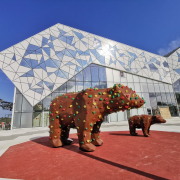
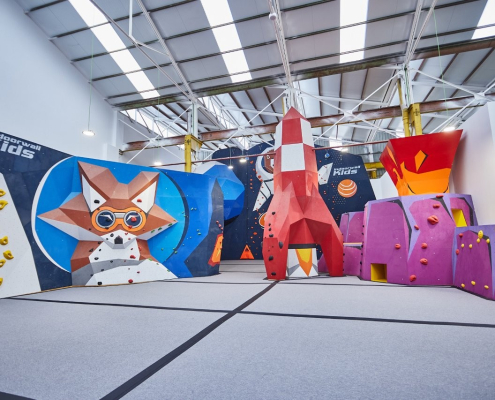
– themed climbing structures (animals, rocks, interactive designs)
– modular 3D climbing panels.

Materials are selected based on the environment, with wooden panels typically used for indoor applications and polyester or fiberglass structures chosen for outdoor durability. This flexibility allows every project to be tailored to the exact needs of the client.

Climbing walls as a smart investment

Climbing walls are not just a play feature—they are a long-term investment that brings measurable benefits. For schools and kindergartens, they enhance physical education programs, increase student engagement, and support healthy child development. For family centers, restaurants, and tourism facilities, they help attract more visitors, extend the length of stay, improve customer satisfaction, and create a strong competitive advantage. Parents actively look for places where their children can play, move, and learn. A climbing wall creates a strong attraction that makes families return.

The importance of design and motivation

Children are naturally motivated by fun and visually engaging environments, which is why modern climbing walls are designed with vibrant colors, creative shapes, and themed concepts such as animal-shaped structures, rock-like surfaces, and interactive routes. A well-designed climbing wall encourages children to explore, try again, and reach the top—making this type of motivation essential for long-term engagement.

Why choose Citywall climbing solutions

With 30+ years of experience, Citywall specializes in custom climbing wall solutions for all ages.

Key advantages:
– fully customized design
– compliance with international safety standards
– wide range of materials and styles
– expert consulting and planning
– full service: design → production → installation

Each project is carefully designed to maximize available space, ensure safety, and create an attractive, functional environment. Climbing walls are more than just playground equipment—they are a complete solution for child development, engagement, and business growth.

Whether you are a school, kindergarten, or family entertainment center, investing in a climbing wall means creating a space where children can move, learn, grow and have fun – and most importantly: where they will want to come back.

Tell us about your project and get a custom design proposal!

Citywall is building the largest and most modern climbing centre in the Benelux region

Climbing hub of the Netherlands

The National Climbing Center (NCC) will be the largest and most modern climbing center in the Benelux. Located in the Hoeverijk district of Nieuwegein, the NCC sets new standards for climbing. An unparalleled variety of climbing and bouldering facilities, an official speed wall, and state-of-the-art training rooms make this place unique for both beginners and elite athletes. With its spacious layout and abundant natural light, the center is open, inspiring, and welcoming — a place where climbing is elevated to a whole new level!

Citywall is building this beautiful climbing centre with its own climbing walls (indoor and outdoor), Citymat safety mats and additional gym furniture. Read more about it down below.

Climbing at the core

Climbing is at the heart of everything here, and that is immediately visible: climbing activities can be seen from the outside, and a large part of the façade will also become a climbing wall. This creates a lively atmosphere in the square, where the climbing world and the neighborhood come together. The waterfront square will be a pleasant meeting place, perfect for events and competitions.

A pedestrian path runs directly through the NCC (see the orange arrow).

A pedestrian path runs directly through the NCC (see the orange arrow).

A place to meet and experience

A major walking route passes directly through the NCC and connects the square with the surrounding area. Convenient services such as a restaurant and the climbing hall are located right on the square, making the space vibrant and active. On the ground floor, you will find the experience center offering a wide range of La Sportiva shoes and Petzl products. You will also find a physiotherapy practice with a fitness area.

A pleasant gathering spot by the water.

A pleasant gathering spot by the water.

Climbing at all levels – from fun to elite sport

On the first floor, there is a training room with spray walls and simulation walls, which is connected to the “guest house.” Not only Dutch athletes can stay here — teams from abroad are welcome as well. But the NCC is certainly not intended only for elite athletes! Recreational climbers, families, and beginners are more than welcome. On the ground floor, you will find the beginner zone (“learning plaza”) and a fun-climbing area, ideal for discovering climbing and bouldering in an accessible way. There will also be climbing and bouldering sessions after school, where children can explore climbing in a playful manner.

Climbing activities can be seen throughout the entire building. The large bouldering hall on the second floor is spacious and suitable for both recreational and enthusiastic climbers. There will also be a separate training area with kilterboards and hangboards. The design of the NCC plays an important role in the atmosphere and overall experience, allowing everyone — from beginners to professionals — to fully immerse themselves in the world of climbing.

The National Climbing Center in context of the current gym

Facts and Information

The current climbing center, located just a stone’s throw from the new site, will close its doors at the end of this year. But don’t worry: the brand-new NCC will open at the beginning of 2026, offering more space, facilities, and climbing opportunities than ever before!

National Training Center (NTC)

The NKBV National Training Center (NTC) will open its doors in Nieuwegein at the beginning of 2026. From then on, all climbers of the Dutch national climbing team will train at this brand-new Mountain Network location.

A unique place

This location is a major asset for climbing in the Netherlands. It is a unique place where elite and recreational sports come together, where passion and performance go hand in hand, and where climbers of today and tomorrow can grow.

The National Climbing Center Nieuwegein (NCCN) hosts the NKBV National Training Center (NTC): a top-level facility for talent development and elite sports. Here, the best Dutch climbing champions have the opportunity to continue developing their skills while inspiring new generations of climbing talent to reach their full potential.

Whether you dream of international competitions or simply want to push your limits, this location offers everything you need — from advanced training facilities to an encouraging environment where the climbing community comes together.

Be sure to watch this short video of the new climbing and bouldering gym:


If you also want to build such wonderful climbing centre, just let us know and send us an offer request: info@citywall.eu or 00386 41 953 85.


Citywall team